|
| OCTOBER 2020 NEWSLETTER |
Free Virtual Programs on Understanding North Bay EcosystemsSonoma State University’s (SSU) Center for Environmental Inquiry (CEI) will present a series of free virtual programs this fall on the sustainability of native plants and wildlife in the North Bay region. CEI is a collaborative community that brings together SSU faculty, community members, and SSU students to study real-world environmental challenges. In addition, CEI promotes environmental education in the community through trainings, workshops, outings, and school programs for people of all ages and backgrounds. CEI also makes 4,200 acres of natural lands at SSU preserves available for research and experiential learning by the public as well as SSU faculty and students. Approximately 700 students in 26 disciplines work on over 120 CEI sustainability projects in the North Bay with community members. With one foot in academia and one in community, CEI leverages SSU’s knowledge and resources to provide support for cross-discipline projects aimed at innovative solutions to environmental problems, and works to disseminate environmental understanding throughout the community. [READ MORE]
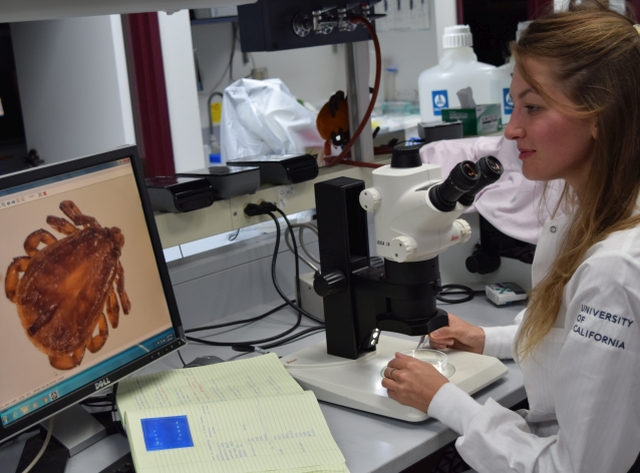
Emily Pascoe, Ph.D., UC Davis Research Fellow, will talk about what we often encounter on hikes, ticks, in one of the lectures sponsored by the Center for Environmental Inquiry (Photo courtesy of CEI). |
Don't Forget to Order Your Plants for Fall PlantingThe Jepson Chapter's On-Line Fall Plant Sale Store will close on October 8 at 5:00 PM, so click here if you haven't taken a look at the native plants that are available for purchase. Plant prices are $5 if they are in small containers and $9 if they are in large containers, and some have discounted prices. All orders must be picked-up on October 10 anytime between 10:00 AM and 2:00 PM at either the Benicia or Fairfield pickup locations. You should also be aware of a new CNPS resource, Native Plants for Your Naturehood. This resource is designed to encourage Californians to grow native gardens, with an emphasis on plants that provide food and shelter for wildlife. Among the resources it includes are links to on-line native plant sales organized by other CNPS chapters. It is also producing a webinar series on gardening with native plants. The first webinar, Naturehood Gardening 101, is scheduled for October 15. Anyone can subscribe to the Naturehood email list for tips, resources and updates for habitat gardening with native plants.
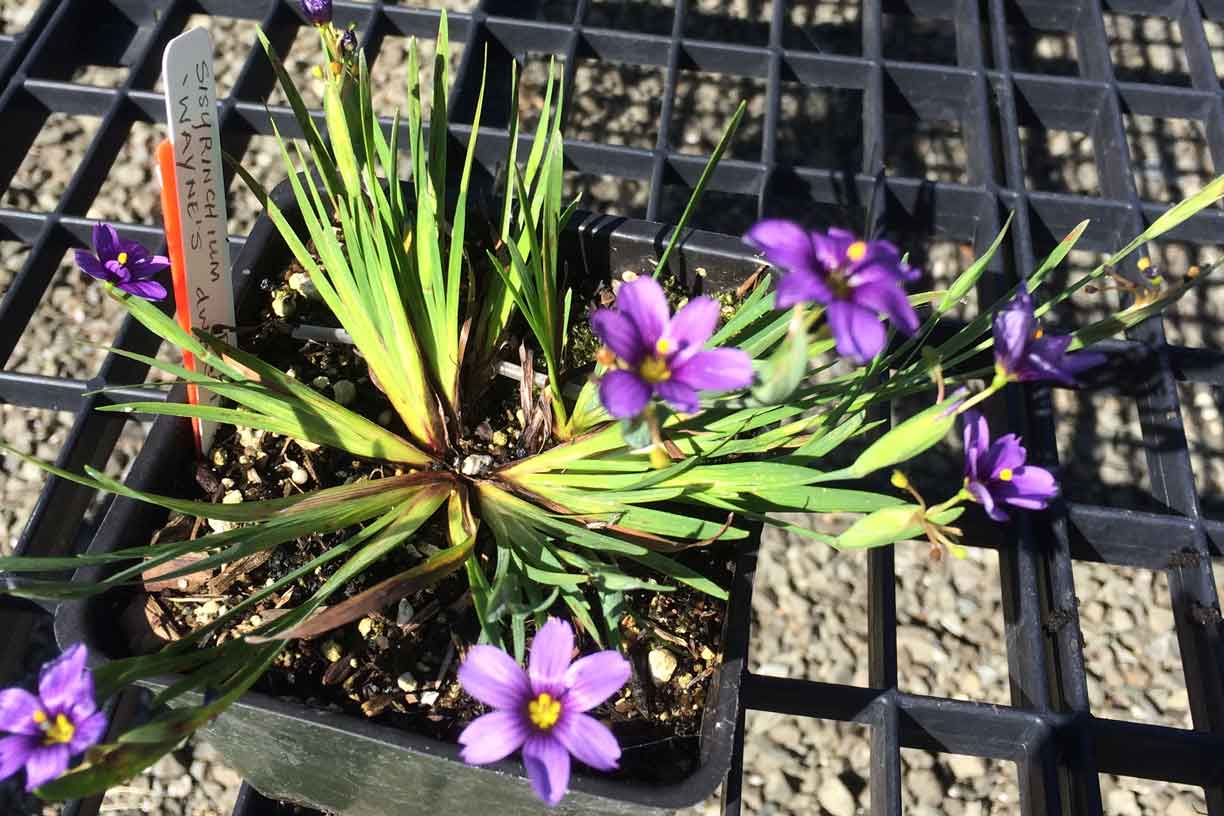 Sisyrinchium bellum 'Wayne's Dwarf' is still available for purchase at the Jepson Chapter's On-line Plant Sale Store for $2.50 each!
|
Jepson Board Officers for 2021 NominatedThe Nominating Committee for the Jepson Chapter Board of Directors has announced the following slate of officers to appear on your ballot to serve for the 2021 calendar year:
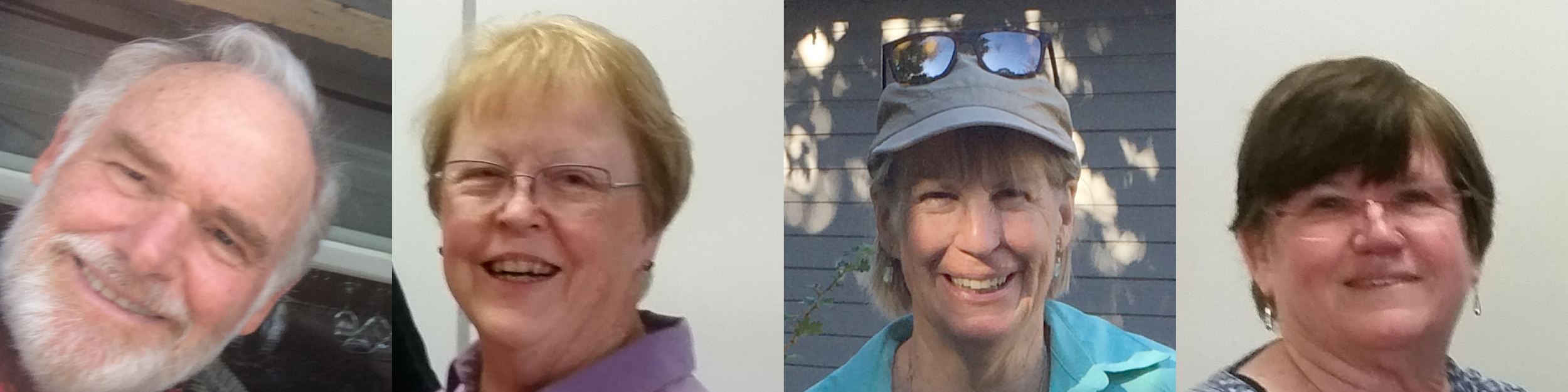
Your nominees for elected officers, left to right, Steven Goetz, Mary Frances Kelly-Poh, Pam Muick, and Kathleen Catton
|
Native Plant News from Sister OrganizationsDoug Wirtz & His Passion for Nature Photography. The California Department of Fish & Wildlife (CDFW) put a "spotlight" on Doug Wirtz, a long-time member of the Jepson Chapter and volunteer photographer who has amassed thousands of images of Jepson Prairie Preserve and other Solano Land Trust properties. The photo of the Jepson Prairie Preserve in this newsletter's masthead was taken by Doug. "Becoming a photographer requires a camera and the operator," said Doug during his interview with CDFW. "The beauty of digital photography is that you can see your shot instantly, adjust, and retake until you get your settings right." [READ MORE]
Rocks in the Garden. The October newsletter of the Friends of the Regional Parks Botanic Garden features an article by landscape architect, Kat Weiss, on how to use boulders in your native plant garden.
"Living in California we see rock everywhere—hiking in the Sierra Nevada and clambering over massive granite slopes, visiting red sandstone sculptures in Pinnacles State Park, or watching along the coast as waves crash on the rock faces year after year. Bringing in rock to our home landscapes feels solid, peaceful, like we’ve brought a chunk of our favorite place home with us." [READ MORE]
California Biodiversity Day 2020. California Biodiversity Day takes place on September 7th of each year, marking the anniversary of the launch of the California Biodiversity Initiative in 2018. This annual event celebrates our state’s exceptional biodiversity, while also encouraging actions to protect it. This year, California Biodiversity Day was a multi-day event from September 5 to 13, featuring workshops, lectures, interviews and virtual tours. Click here for the California Natural Resources Agency's website which lists all these events. Many of the virtual events were recorded and have links for viewing at your convenience.
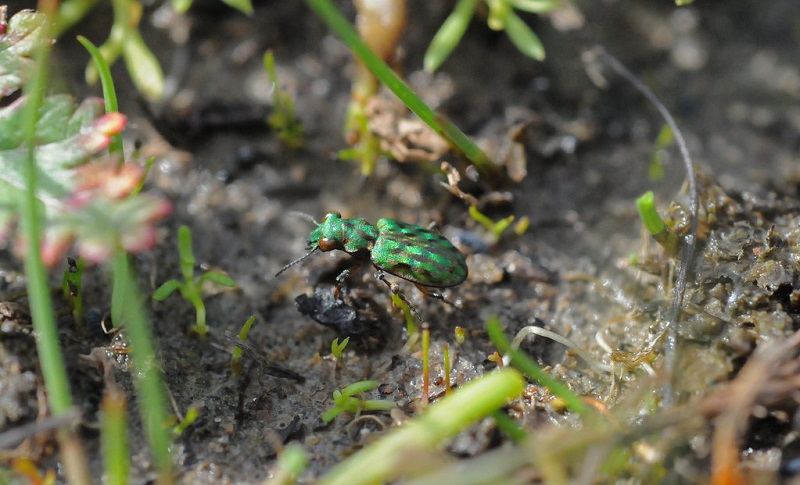
Photo by Doug Wirtz of the Delta green ground beetle (Elaphrus viridis) at Jepson Prairie Preserve. |
PLANT OF THE MONTHEpilobiuim septentrionale 'Wayne's Silver' (Wayne's Silver Fucshia)
Fall is drawing to a close, and the hummingbirds are hungry, especially those already migrating south. Our plant of the month is one of the few natives that blooms right through hot dry summers, from August to October, providing a significant source of nectar for hummingbirds while other nectar sources are scarce.
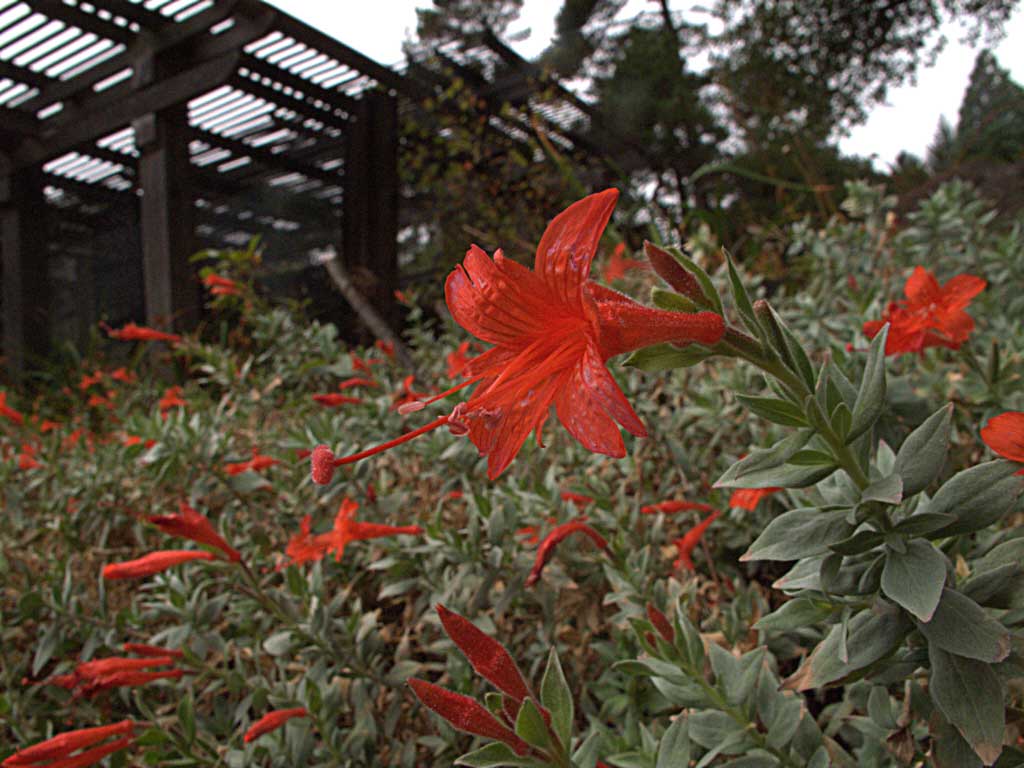 Epilobium septentrionale 'Wayne's Silver', photo by John Rusk via searchcreativecommons.org.
|
Calendar of Events
|

|
|
|
|
CNPS Statewide Website | Jepson Chapter Website     
|