September 2022 Newsletter
|
 Marin Chapter Meeting Marin Chapter Meeting
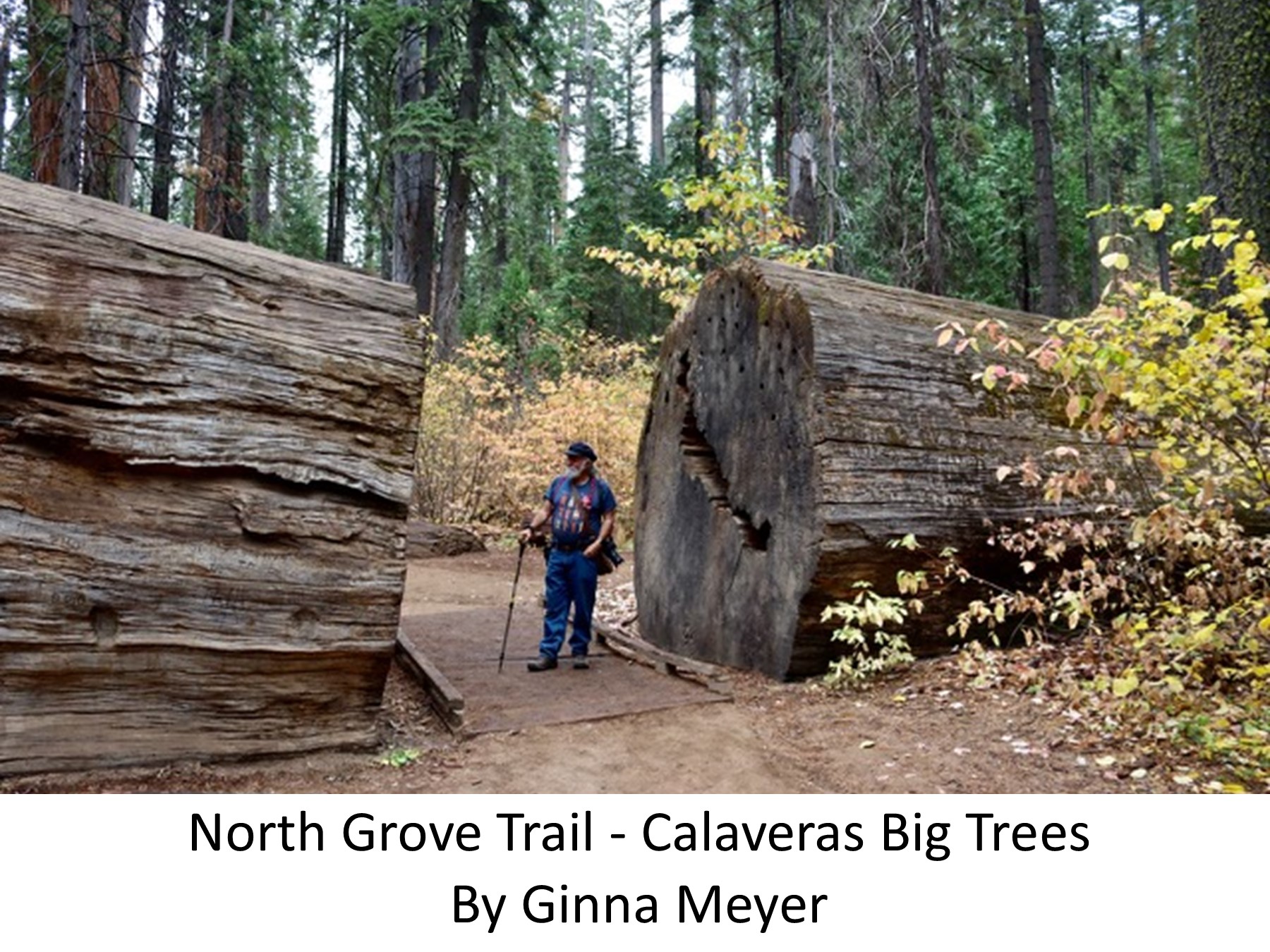
"Ginna Meyer’s Favorite Hikes"
Monday, September 12 @ 7:30 pm
Guest Speaker: Ginna Meyer, El Dorado Chapter CNPS
Ginna (Virginia) Meyer has lived in the foothills of El Dorado County for decades and enjoys her many days of exploring the natural areas of the Sierra Nevada. She is Professor Emerita from Sacramento City College, teaching in the Biology Department’s Field Ecology Certificate Program, and is currently the Field Trip Chair of the El Dorado Chapter of CNPS.
Ginna will describe her favorite hiking places and the beautiful native plants you will encounter in those places. In addition, Ginna will share information about other places to explore native plant diversity and resources for discovering even more!
Register for this Zoom meeting here.
Read more. . .
|
 Marin Chapter Field Trips Marin Chapter Field Trips
Field Trip Guidelines:
- Email Susan Schlosser at scschlosser52@gmail.com to sign up for a field trip, as we are limiting participants to 20.
- Electronically sign the CNPS Liability waiver for the trip (Susan will provide the link.)
*********************************************
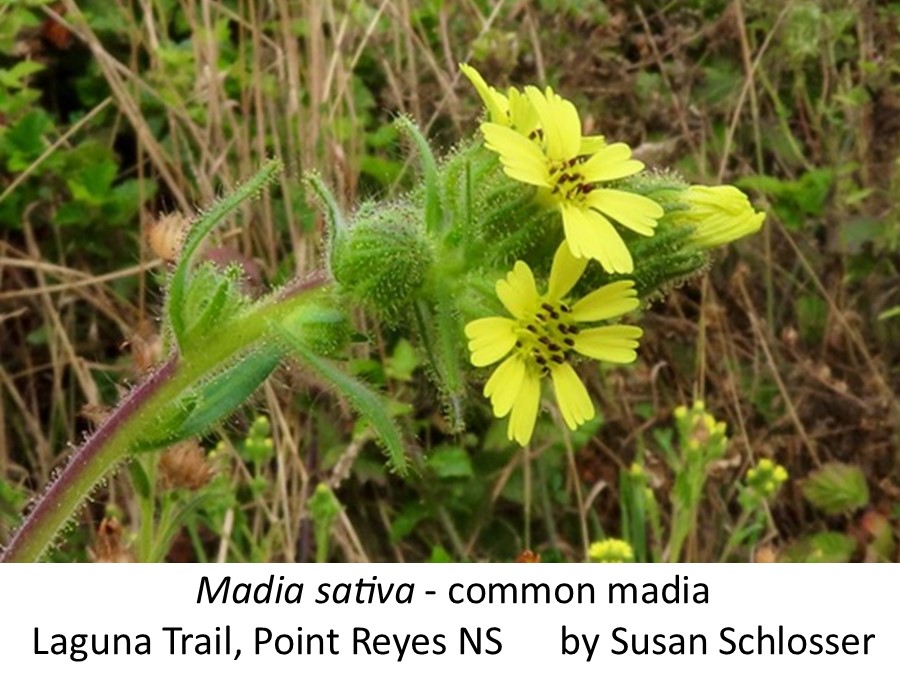 Laguna and Coast Trails at Point Reyes National Seashore Laguna and Coast Trails at Point Reyes National Seashore
Saturday, September 10, 2022 - 9 am to 3 pm
Leader: Susan Schlosser,
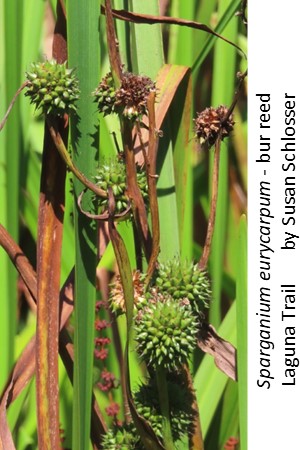
Join us for a 5.2 mile loop on the Laguna and Coast Trails in Point Reyes National Seashore. We will walk through diverse coastal scrub habitat, riparian areas, wetlands, and along part of Santa Maria Beach. We will keep our eye out for late summer bloomers and interesting seeds and berries.
Read more about this field trip. . .
************************************************************
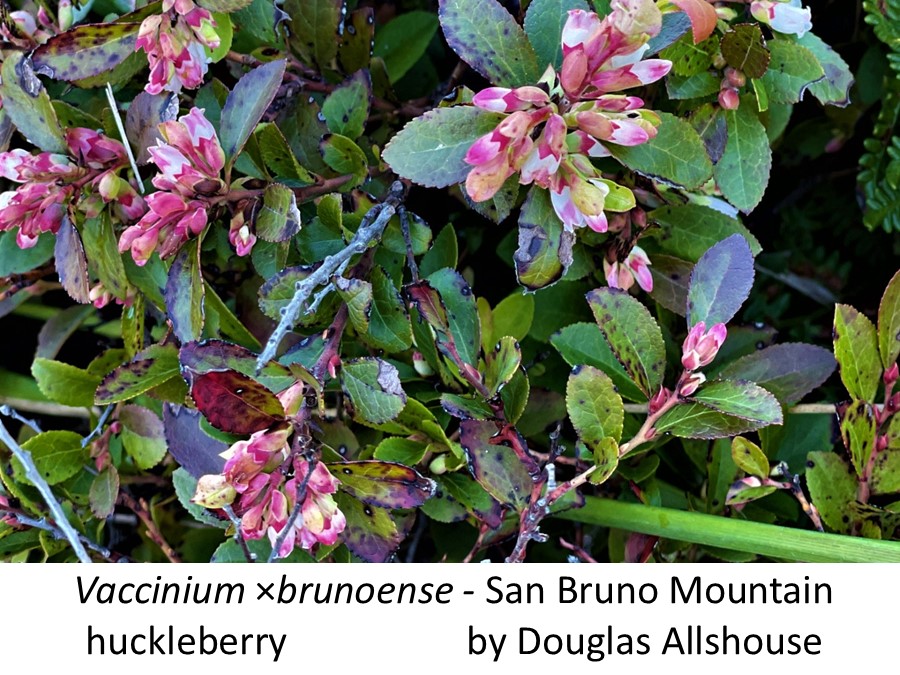 San Bruno Mountain: Ericaceae on Kamchatka Point and Other Things San Bruno Mountain: Ericaceae on Kamchatka Point and Other Things
Saturday, October 15, 2022 - 10 am to 1 pm
Leader: Doug Allshouse, Yerba Buena Chapter
The Heather family is well represented on San Bruno Mountain with twelve taxa, and five are endemics. Kamchatka Point—rumored to be the Mountain’s coldest, windiest place— is a greywacke outcrop near the summit with a northern exposure and a great view of Mt. Tam. It is home to four members in two genera, Arctostaphylos and Vaccinium, and three are endemic. Join Doug for about a 2 mile hike along the Summit Trail up the ridge of Cable Ravine to Kamchatka Point.
|
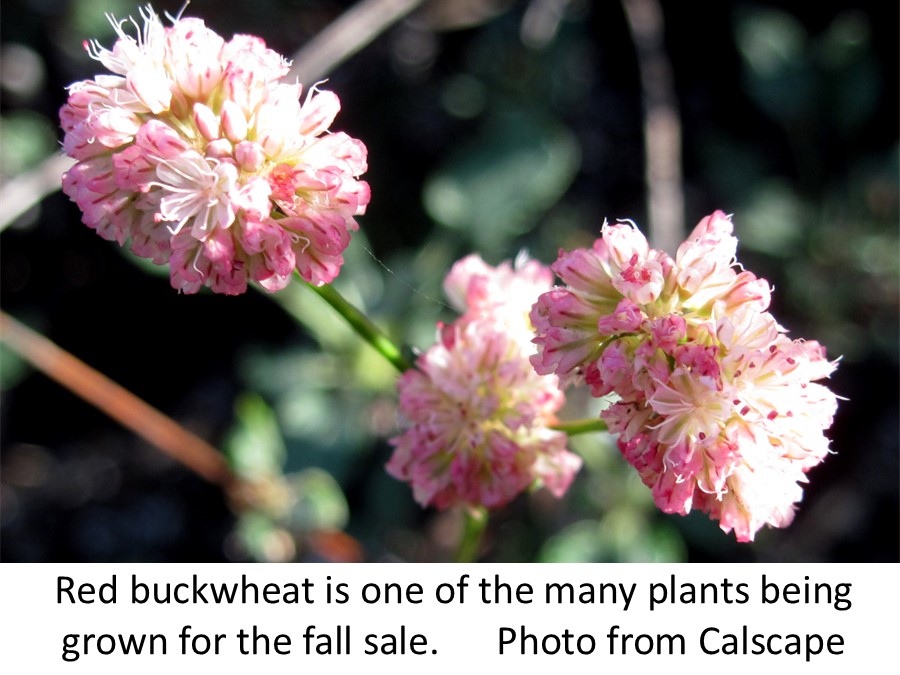 Fall CNPS Plant Sale: Planting Time is Almost Here! Fall CNPS Plant Sale: Planting Time is Almost Here!
The Marin chapter is pleased to offer a 5-day fall plant sale with online ordering taking place October 6 through 10th, and order pickup in Greenbrae on October 15th.
Read more. . . |
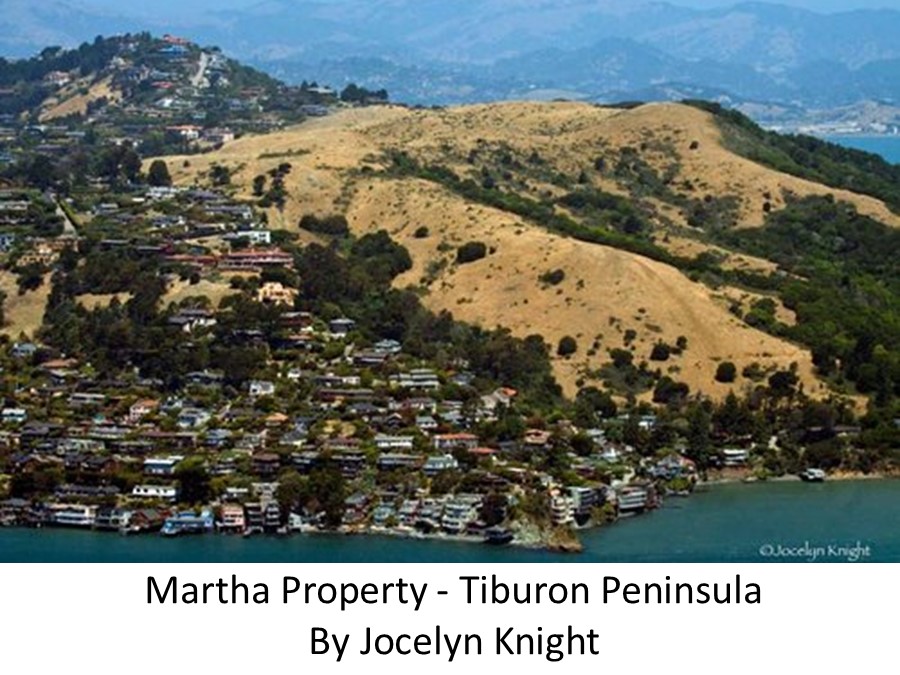 Saving 110 Acres on the Tiburon Peninsula as Open Space Saving 110 Acres on the Tiburon Peninsula as Open Space
By Eva Buxton, Conservation & Invasive Species Chair
Marin Chapter CNPS
The fate of the Martha property located at the tip of the Tiburon peninsula may be nearly resolved with Measure M. This is an exceptional piece of land supporting live oak woodland and savanna, native grassland, as well as vegetation associated with serpentine substrates. It has unobstructed views of the San Rafael-Richmond Bridge, the Berkeley Hills, Angel Island, the San Francisco skyline, the Golden Gate Bridge, Sausalito, and Mt. Tamalpais.
Read more how local groups have advocated to preserve the land from development and about the current agreement between the owners, Trust for Public Land, and Marin County.
|
 From Lawn to Flourishing Habitat From Lawn to Flourishing Habitat
By Laura Lovett, Gardening with Natives Committee Chair
Marin Chapter CNPS
Lawns cover more acreage in home landscapes than any other plant and provide the least resources for other creatures. In most of California, a lawn will only thrive by irrigating it with expensive and often limited water. Consider removing your lawn and creating habitat by planting a more complex variety of species. If you include California native plants in that mix, your landscape will provide a thriving habitat while requiring less water, less energy, and no pesticides.
Sheet mulching is a great way to remove lawn, and fall is a perfect time to do it. So plan a sheet-mulched lawn conversion for this fall, and by late winter the microbial community should be flourishing and the layers you laid down turned to soil, ready to nourish your beautiful new garden.
Read more. . .
|
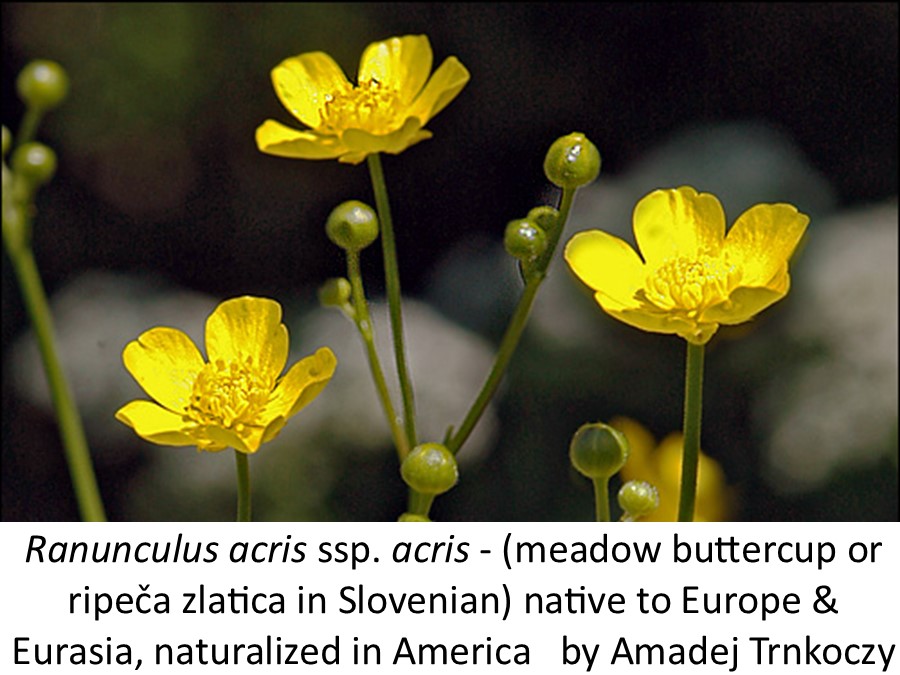 Why We Use Scientific Names Why We Use Scientific Names
By Eva Buxton, Conservation & Invasive Species Chair
Marin Chapter CNPS
People who are just getting interested in knowing the names of all the wonderful plants in our surroundings often ask, “Why do you have to use these hard to pronounce and remember scientific names?” This frustration is especially true for those who find learning and retaining names more difficult as they get older. That is certainly true in my case.
The scientific name of a plant consists of a genus (plural genera) name and a specific epithet – together they make up the species name. There are several reasons why using scientific names is essential in many aspects of botany.
Read more. . . |
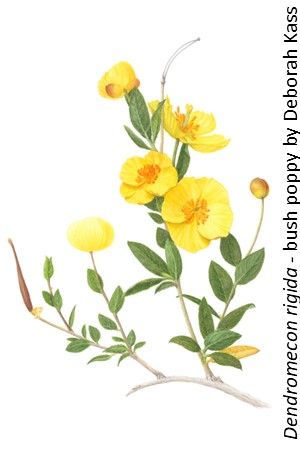 Mount Tamalpais Florilegium Mount Tamalpais Florilegium
The Mount Tamalpais Florilegium is an exhibition of paintings and drawings of the flora of Mt. Tamalpais created by members of the Northern California Society of Botanical Artists (NCalSBA). The collection has expanded over the past three years and now documents a large sampling of the native plants growing on Mt. Tam, including some of its rare and special status species. NCalSBA’s hope is that by showcasing the unique beauty of its flora, others will be inspired to learn more about our mountain and join in the efforts to protect it.
This exhibition will be on display at the Marin Art and Garden Center Studio from September 22 through October 9. Opening reception 9/24 from 1 to 3 pm. Admission free.
Read more. . .
|
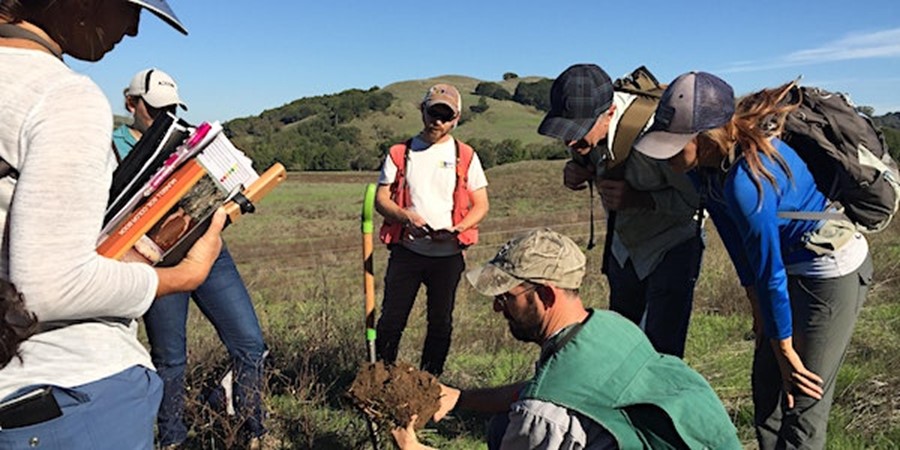 Wetland Delineation Training 2022 Wetland Delineation Training 2022
Basic Wetland Delineation, a 40-hour training course that focuses on procedures used to delineate wetland boundaries will be offered Oct. 17 - 21, 2022 by SF Bay National Estuarine Research Reserve.
Training will be led by Bay Area delineation experts Justin Semion, MBA/PWS and Aaron Arthur, MS. The first three days will be primarily classroom and lab based in Tiburon. The remaining will visit sites in Marin County to apply discussion topics to real situations as well as perform a delineation in teams.
Read more. . .
|
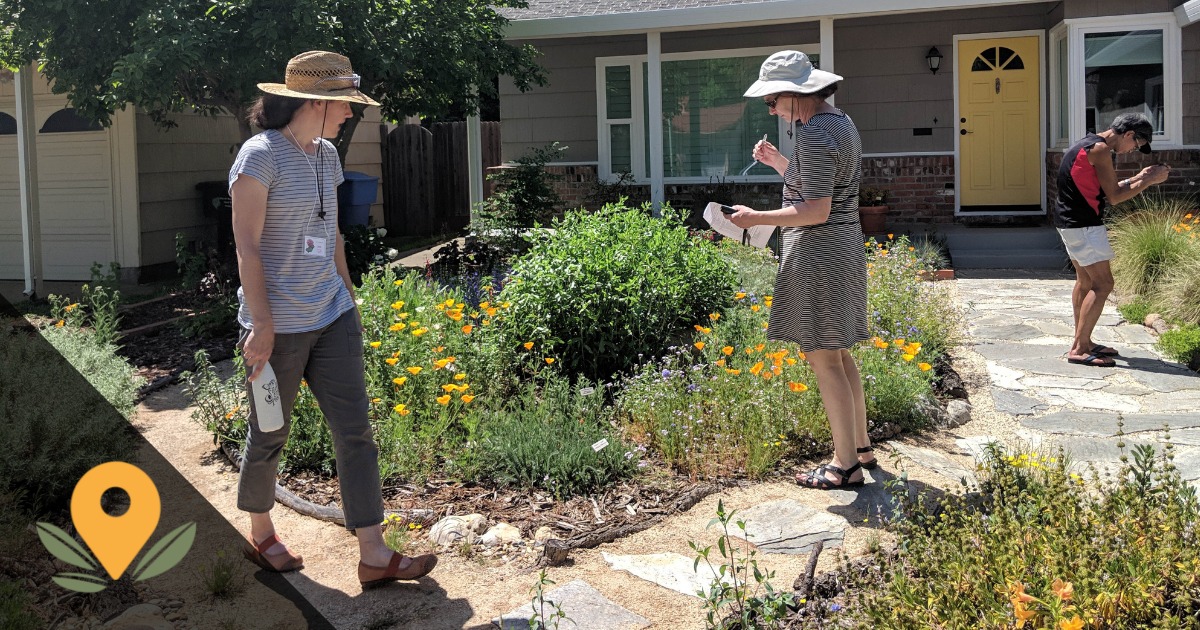 Naturehood Garden Chat: Lawn Replacements Naturehood Garden Chat: Lawn Replacements
As drought conditions intensify across the state, CNPS can help you transition away from water-thirsty lawns. At a free webinar on Thursday, September 1st at 5:30pm experts will dive into the benefits of replacing existing lawns with California native plants, offer up plant suggestions, and leave you with practical tools to help you get started on the process of turning your lawn into a water-wise oasis where native plants thrive.
Featuring: Audrey Pongs | Nursery Management and Branding Consultant, Greenbelt Growers Nursery Inc; Jack Smith | Ecological Restoration and Nursery Manager, TreePeople; Kate Hayes | Design Principal, Miridae Landscape Architecture and Construction
Register today A video of the chat will be available later at CNPS YouTube channel.
Read the Washington Post article "There’s a water crisis. Why do we still have lawns?"
|
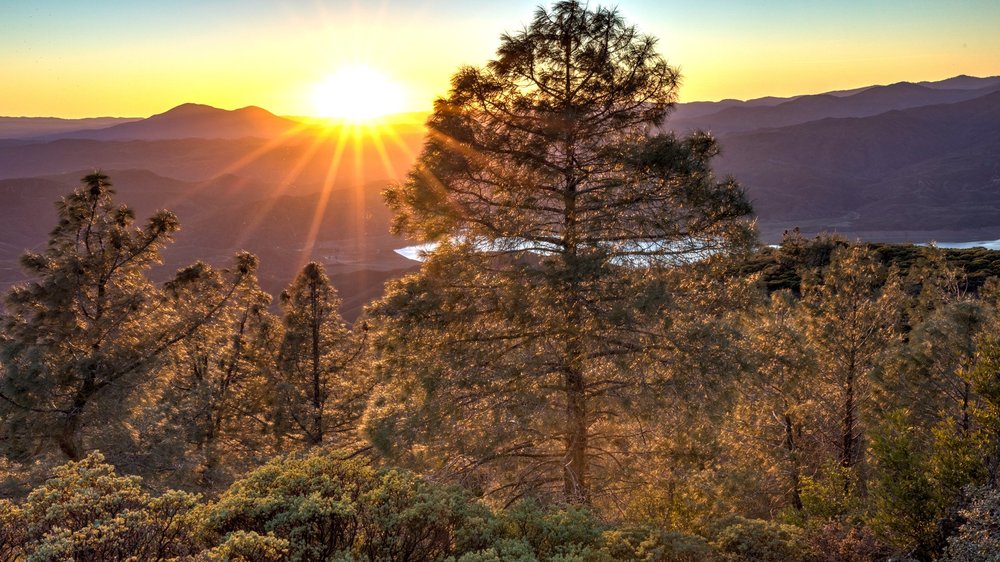 Expand Berryessa Snow Mountain National Monument Expand Berryessa Snow Mountain National Monument
We face a key moment in the ongoing advocacy to protect the rare serpentine habitat of Molok Luyuk (also known as Walker Ridge). Congressional legislation is in the Senate now to Expand Berryessa Snow Mountain National Monument. Please let our leaders know that you support the permanent protection this national monument expansion would provide. Sign the petition now and encourage others to do the same.
Read more. . .
|
 Share California Fire Facts Share California Fire Facts
Help CNPS counter misinformation and expand public education regarding wildfire.
Visit and share CaliforniaFireFacts.org
On Facebook, too.
|
 Love native plants? Love native plants?
Join us this October 20 - 22 for the largest conference in California devoted to them! For more information, visit conference.cnps.org.
|
 Upcoming Marin Chapter Events Upcoming Marin Chapter Events
|
CNPS Marin Archives - Something for Everyone
|

 Marin Rare Plants Gallery